
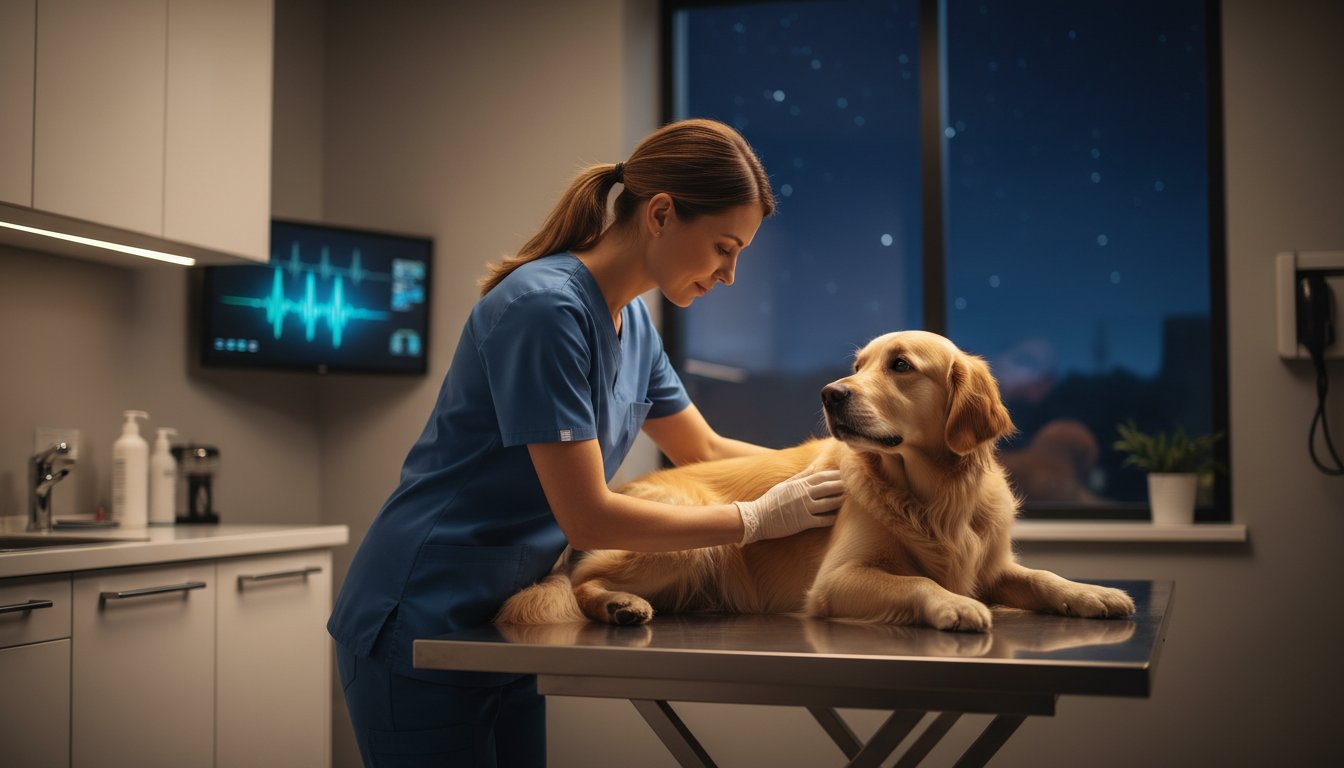
When your pet is suddenly sick or injured outside of normal clinic hours, it’s a deeply stressful experience. Panic can set in, leaving you unsure of what to do next. This guide is here to help. We’ll walk you through when you need emergency vet care, how to prepare, and what to expect, so you can act quickly and calmly for your precious pet.
What is a 24-Hour Vet and When Do You Urgently Need One?
A 24-hour vet, often called an emergency veterinary clinic, is a facility specifically equipped to handle urgent and critical cases at any time, day or night. Unlike your regular vet, who typically operates during standard business hours, these clinics are staffed and prepared for out-of-hours emergencies that simply cannot wait.
These clinics are for critical situations. While your regular vet knows your pet’s history, an emergency vet has the specialised team and equipment ready to provide immediate, life-saving care. Above all, trust your instincts. You know your pet better than anyone; if you feel something is seriously wrong, it’s always best to seek professional advice.
Critical Signs Your Pet Needs Immediate Vet Care
If you observe any of the following symptoms, go to the nearest 24-hour vet immediately:
- Severe difficulty breathing: This includes gasping for air, choking, or constant coughing.
- Major trauma: Being hit by a car, a significant fall, deep wounds, or severe bleeding.
- Neurological signs: Seizures, collapse, sudden loss of consciousness, or an inability to stand.
- Suspected poisoning: Ingestion of known toxins like antifreeze, rat poison, chocolate, xylitol, or human medications.
Urgent Symptoms That Warrant a Phone Call
These symptoms are also very serious and require an immediate phone call to a 24-hour vet for advice:
- Profuse vomiting or diarrhoea: Especially if it contains blood or is happening repeatedly over a short period.
- Inability to urinate or defecate: Straining with no result, or showing visible pain while trying.
- Signs of extreme pain: Crying out, whimpering, aggression when touched, or hiding.
- A swollen, hard, or painful abdomen: This can be a sign of a life-threatening condition like bloat.
First Aid: Immediate Steps to Take in a Pet Emergency
Your first priority is to remain as calm as possible. A panicked owner can increase a pet’s stress, making a bad situation worse. Your calm presence can help keep your pet calm.
Before doing anything else, secure your pet in a safe, confined space like a small room or a carrier to prevent them from causing further injury to themselves. Crucially, never give your pet human medications, as many are toxic to animals.
How to Assess the Situation Safely
- Approach with caution: Even the most gentle pet can become aggressive when in pain. Speak to them in a soft, reassuring voice.
- Check vital signs (if safe): If possible, observe their breathing and level of consciousness. Are they responsive?
- Look for obvious injuries: Note any visible signs of bleeding, broken bones, or swelling.
- Identify potential toxins: If you suspect they have eaten something harmful, safely secure the packaging or a sample of the substance.
Why You Must Call Ahead Before You Go
In an emergency, your instinct might be to rush straight to the clinic, but taking a moment to call first is vital.
- It allows the team to prepare: The vet team can get ready for your specific emergency, setting up equipment and preparing treatments.
- You can receive first-aid advice: They can give you specific instructions on how to help your pet and transport them safely.
- It confirms they are ready for you: You can confirm their exact location and ensure they are equipped to handle your pet’s situation.
- It saves precious time: This one simple step can improve your pet’s outcome by ensuring the team is ready the moment you walk through the door.
Preparing for Your Visit to the Emergency Vet
Being prepared helps the vet team make a faster, more accurate diagnosis and helps you feel more in control. It’s a good idea to have a ‘pet emergency kit’ with some of these essentials ready for the future, so you don’t have to search for them during a crisis.
What to Bring With You to the Clinic
- Your pet: Transport them as safely and comfortably as possible. A carrier is best for cats and small dogs. A blanket can be used as a stretcher for larger dogs.
- Medications: Bring any medication your pet is currently taking.
- Toxin packaging: If they ingested a poison, bring the box, bottle, or packaging with you.
- A blanket or towel: A familiar item from home can provide comfort and warmth.
Essential Information to Have Ready
- Your pet’s details: Know their approximate age, breed, and any relevant medical history.
- A clear timeline of events: Be ready to explain what happened, what symptoms you observed, and when they started.
- Your regular vet’s details: The emergency clinic will need the name and contact information of your regular vet to share records for follow-up care.
- Known allergies: Inform them of any known allergies to medications or food.
What to Expect During Your Visit to the 24-Hour Vet
Emergency clinics operate differently from your regular vet. Understanding their process can reduce anxiety and help you know what to expect. The primary focus is on triage—stabilising the most critical patients first.
The Triage Process: Why You Might Have to Wait
When you arrive, a veterinary nurse will perform an initial assessment. This is called triage. It’s a system for prioritising patients based on the severity of their condition. This means that the most life-threatening cases will always be seen first, even if they arrived after you. Please be patient and know that this system ensures every VIP (Very Important Pet) gets the appropriate level of care when they need it most.
Diagnosis, Treatment Plans, and Decisions
After the initial assessment, the veterinarian will perform a thorough examination. They may recommend diagnostic tests like bloodwork or X-rays to understand the full picture.
Once a diagnosis is made, they will present you with a detailed treatment plan, including an estimate of the costs involved. You will need to give your consent for them to proceed. This is your time to ask questions. Don’t be afraid to ask for clarification on the diagnosis, the proposed treatment, the prognosis, and the costs. A good veterinary team will want you to feel informed and comfortable with the decisions being made for your pet.
Understanding the Cost of Emergency Veterinary Care
It’s an unfortunate reality that emergency care comes at a higher cost. Being prepared for the financial aspect can reduce stress. Transparency about costs is a hallmark of a trustworthy clinic, and you should always be provided with an estimate before treatment begins.
Why Is Emergency Care More Expensive?
- 24/7 Staffing: Maintaining a fully staffed facility overnight, on weekends, and during holidays is expensive.
- Specialised Equipment: Emergency clinics invest in advanced diagnostic and life-support equipment that needs to be ready at a moment’s notice.
- Expertise: You are paying for immediate access to a team of vets and nurses with specialised training in emergency and critical care.
Payment Options and The Role of Pet Insurance
Most emergency clinics require payment at the time of service. When you call ahead, it’s a good idea to ask about their accepted payment methods.
The single best way to prepare for the unexpected cost of an emergency is with pet insurance. It provides peace of mind, ensuring you can make decisions based on your pet’s needs rather than your finances. For routine wellness, our affordable Pet Health Plans can help you budget for preventative care.
Paw Paws’ Emergency Vet Services in Cork
When your pet needs urgent care in Cork, our compassionate and experienced team is here to help. Our clinic is equipped to handle a wide range of pet emergencies, providing life-saving care for the pets of Cork City and the surrounding areas. As a 100% Irish-owned clinic, we are deeply dedicated to the wellbeing of our local community’s pets.
Why Trust Paw Paws in an Emergency?
- Our experienced vets and nurses are highly skilled in emergency medicine.
- We treat every patient as a VIP (Very Important Pet), giving them the dedicated care they deserve.
- We believe in clear, compassionate communication to support you through a difficult time.
- Our ultimate goal is to achieve the best possible outcome for your beloved companion.
What to Do If You Have an Emergency
- Call our clinic immediately. This lets our team know you are on your way so we can prepare.
- Our team will provide initial first-aid advice over the phone.
- We are conveniently located in Cork City for easy access.
For immediate help, contact our emergency team now.
Frequently Asked Questions
Can I just show up at a 24-hour vet without calling?
While you will never be turned away in a true emergency, it is always best to call ahead. This allows the team to prepare for your arrival and give you crucial first-aid advice, which can save precious time and improve your pet’s outcome.
How do I know if my pet’s situation is a real emergency or if it can wait?
Refer to the lists of critical and urgent symptoms in this guide. However, the most important rule is to trust your intuition. If you are worried and feel that something is seriously wrong with your pet, it is always better to call and get professional advice than to wait.
What should I do if I can’t afford the emergency treatment my pet needs?
This is a very difficult situation. Be honest and upfront with the veterinary team about your financial concerns. They can discuss all available options, including different treatment plans or financial assistance resources that may be available.
Is a ’24-hour vet’ the same as an ’emergency vet’?
Generally, yes. These terms are often used interchangeably to describe a veterinary facility that is open outside of normal business hours to handle urgent and critical cases.
How can I transport my injured dog or cat safely to the vet?
For cats and small dogs, a secure carrier is the safest option. For larger dogs that cannot walk, you can create a makeshift stretcher using a firm blanket, a board, or even a car floor mat. Try to move them as little as possible to prevent further injury.
Will my regular vet be updated about my pet’s emergency visit?
Yes. The emergency clinic will send a full report of your pet’s visit, including any tests and treatments, to your primary veterinarian. This ensures continuity of care once your pet has been stabilised and discharged.